comparisons
Field Fence vs Woven Wire for Hobby Farms in Indiana
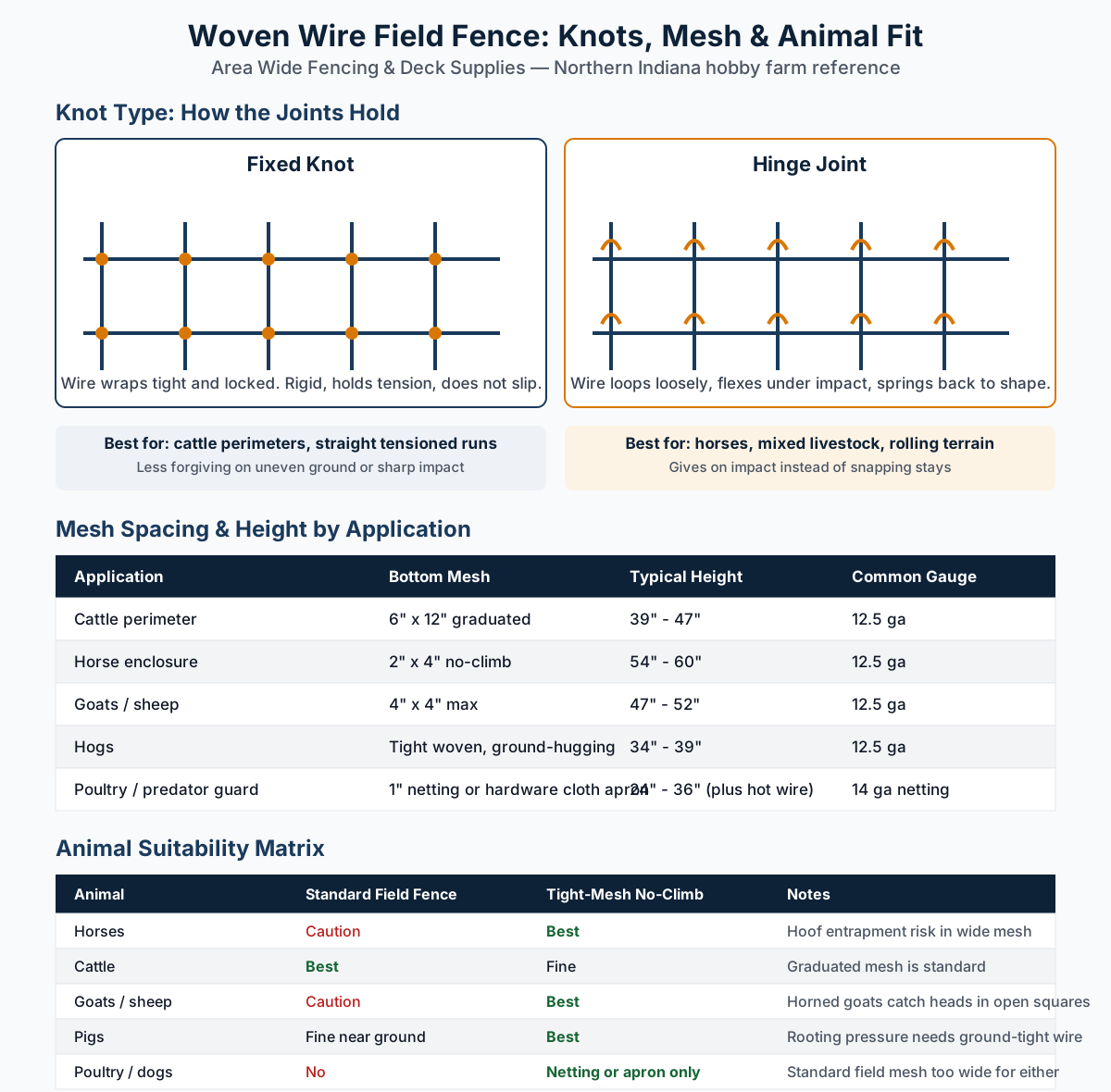
Field fence and woven wire are the same product. The real choices are knot type, gauge, mesh spacing, and bracing for your hobby farm animals.
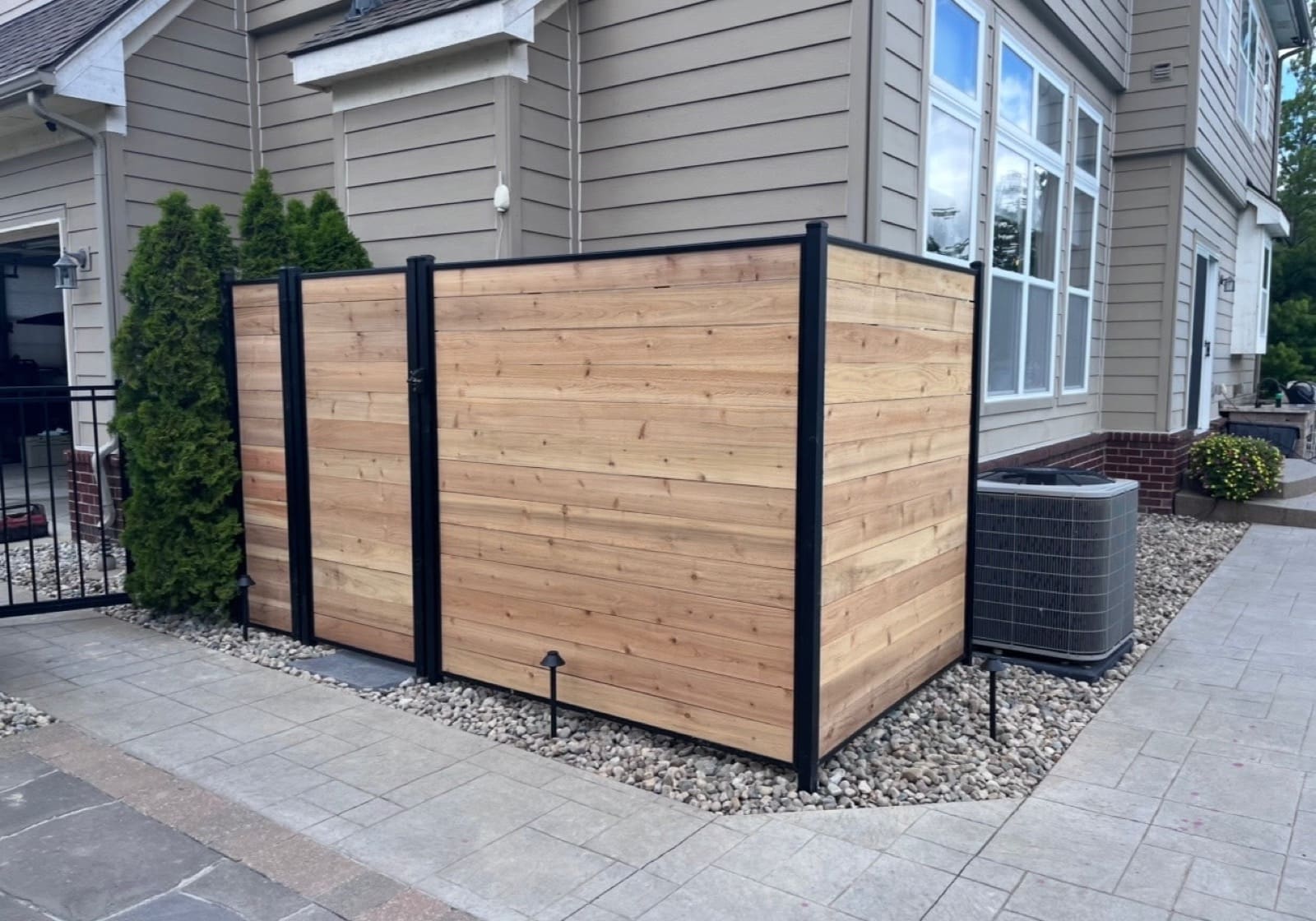
Postmaster steel posts are galvanized steel posts hidden inside wood or vinyl pickets. The fence looks like wood, but it won’t rot, lean, or heave out of a frozen hole. In Kosciusko County clay, switching to steel is often the difference between a fence that stands straight in year twenty and one that’s leaning by year ten.
I’ve set thousands of posts across Northern Indiana over 15 years, and if I had to name the single most common repair call, it’s not a broken panel. It’s a leaning post. Almost every time, it’s a wood post that rotted off at ground level or got heaved sideways by a frozen, waterlogged hole.
So we quietly switched most of our wood-look privacy fence jobs to steel posts underneath. The homeowner still gets the wood or vinyl look they wanted. The post doing the actual work is steel.
A Postmaster is a galvanized steel post manufactured by Master Halco, one of the country’s largest fence hardware suppliers. It comes in a square profile sized to slide inside a standard wood or vinyl picket, so from the yard it’s invisible.
The post is hot-dip galvanized, meaning the steel gets dipped in molten zinc rather than sprayed with a thin coating. That zinc layer sacrifices itself to corrosion before the steel underneath starts rusting, which is why these posts hold up in wet ground for decades instead of years.
Contractors have used Postmaster posts under wood privacy fences for years because it solves a problem wood alone can’t. The picket gives you the look. The steel gives you the structure.
Wood posts fail from the ground up, not the top down. The grade line is where the post meets the soil. Wood there sits in the zone with the most moisture and the most oxygen, which is exactly what rot needs to get going.
Kosciusko, Elkhart, and Marshall county soils lean heavy clay. Clay holds water instead of draining it. A wood post socket stays damp for weeks after a rain, where sandy soil would dry out in a day or two. That standing moisture is what turns a treated 4x4 into a soft, punky post in under a decade.
Add in our winters and the problem compounds. Frost jacking is the second most common reason we get called out to a leaning fence. Water in the soil around a post freezes, expands, and pushes on everything nearby, including a post socket that’s already been softened by rot.
The Postmaster sits in the same hole a wood post would, set in concrete, with the picket sleeve slid down over it. Rails and pickets attach to the steel with self-tapping screws or brackets through the wood or vinyl, the same way they’d attach to a wood post.
From five feet away, you can’t tell the difference. There’s no visible steel, no different post cap, no change to the fence style. The only thing that changes is what’s doing the structural work underground and for the first foot or two above it.
This matters most on corner posts and gate posts, which carry more load than a standard line post. A gate swinging open and shut for fifteen years puts real torque on whatever it’s hinged to. A steel core resists that torque in a way a wood post, especially one that’s been in the ground a decade, simply can’t match.
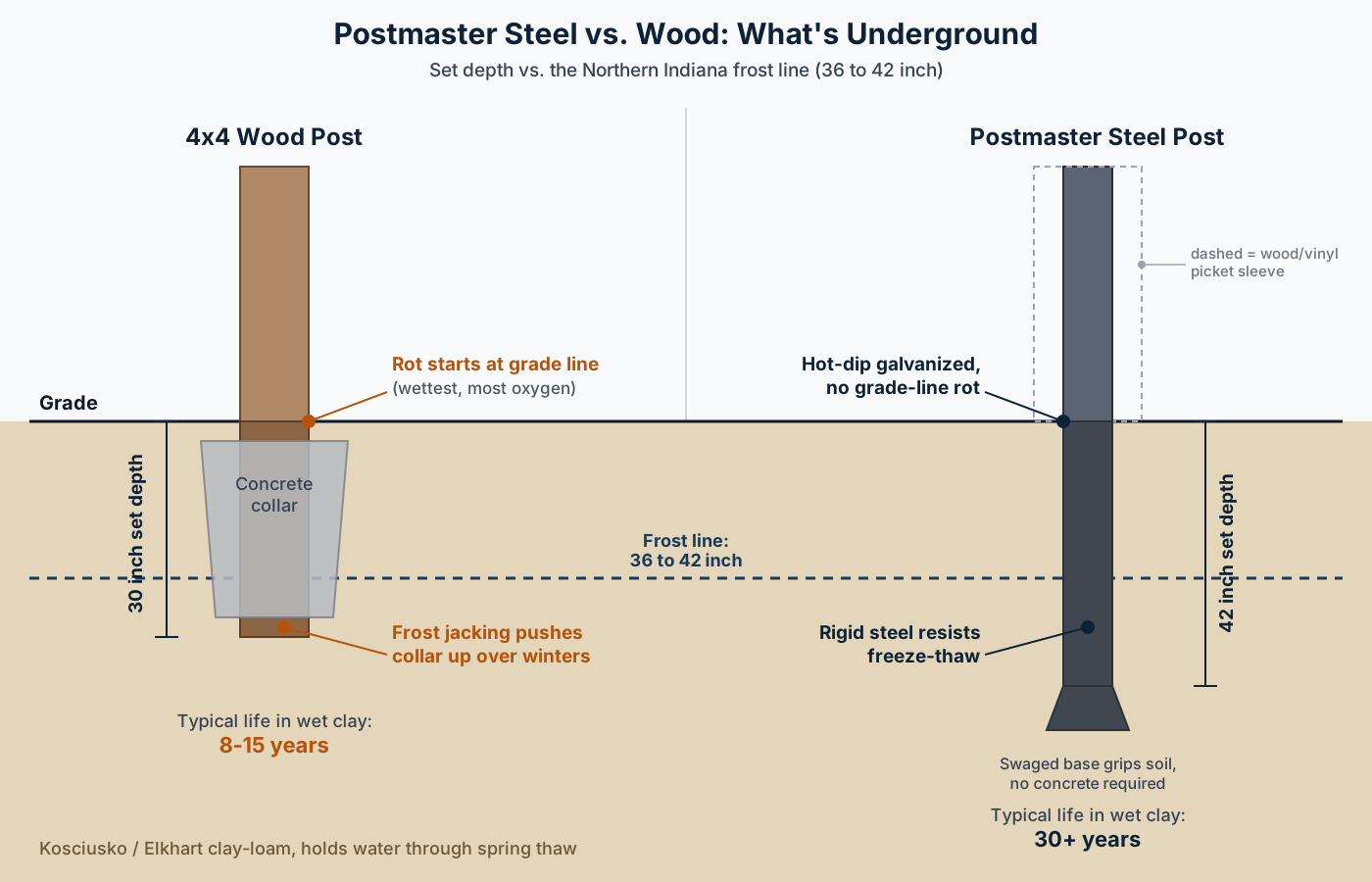
Northern Indiana’s frost line runs 36 to 42 inches, which is how deep the ground actually freezes in a normal winter. Both wood and steel posts need to be set below that line, or the freeze-thaw cycle will work them loose no matter what they’re made of.
The diagram below shows what’s actually happening underground on each side, including where wood rot and frost jacking tend to start.
| Factor | Wood Post (4x4, treated) | Postmaster Steel Post |
|---|---|---|
| Typical set depth here | 30 inches | 36 to 42 inches |
| Visible above grade | Full post, wood grain visible | Hidden inside picket sleeve |
| Grade-line failure point | Yes, rot starts here first | No, galvanized coating covers the zone |
| Frost jacking risk | High in clay, moderate in loam | Low, rigid steel resists lateral push |
| Typical lifespan in wet clay | 8 to 15 years | 30 or more years |
| Load capacity (gate, corner, wind) | Moderate | High |
| Retrofit into existing fence | N/A | Yes, into same holes |
The set depth difference isn’t cosmetic. Plenty of older Warsaw and Goshen installs stop the post socket at 30 inches, from back before the frost line got taken seriously. That depth sits right in the most active freeze zone. Steel posts set to full depth avoid that band almost entirely.
A solid 6-foot vinyl or wood privacy panel is essentially a sail. Open-country wind puts real lateral load on every post in the run. Think a farm field near Plymouth or Rochester, or a straight shot off the water on a Warsaw lakefront lot.
Wood resists that load fine when it’s new. The problem is that wood loses strength as it weathers and rots. A post that handled a 40 mph gust in year two might snap or lean under the same gust in year twelve. Steel’s load capacity doesn’t degrade the same way over time.
We spec steel posts as standard on any privacy fence run over 100 feet in open exposure, and on every corner and gate post regardless of run length. Those are the posts taking the most repeated stress, and they’re the ones worth the upgrade first.
A single treated 4x4 wood post runs somewhere in the $12 to $20 range depending on grade and length. A Postmaster steel post in a comparable size runs $35 to $60, so the material cost per post is roughly double to triple.
Spread across a full fence line at standard 8-foot post spacing, switching from wood to hidden steel posts adds about $8 to $18 per linear foot. The exact number depends on gauge, and on how many corner or gate posts the layout needs. On a 150-foot backyard run, that’s typically an extra $1,200 to $2,700 for the whole job.
Run the lifespan math and the premium looks different. A wood post replaced twice over 30 years in wet clay costs more in labor alone than either post’s material price. A Postmaster post set once tends to outlast the picket fence attached to it.
Steel isn’t the right call on every job. A short run, under about 50 feet, on a lot with good drainage and no standing water, often does fine on quality treated wood posts set to proper depth. The same logic applies when the fence itself is a lower grade of wood, due for replacement in 15 years anyway. Matching post material to picket grade is the more sensible call.
Sandy or well-drained loam shows up in pockets around Culver and parts of Marshall County. It holds far less water around a post socket than the heavier clay near Warsaw and Syracuse. Wood posts in that kind of soil last noticeably longer than the same post in Kosciusko clay.
A leaning fence with sound panels and pickets doesn’t always need a full rebuild. Sometimes the wood or vinyl fencing is still in good shape and only the posts have failed. In that case we pull the rotted wood posts, set new Postmaster steel posts in the same holes, and reattach the existing panels.
It’s one of the more cost-effective calls we make on a repair estimate. Full replacement runs the cost of new posts, panels, hardware, and full labor. A post-only retrofit keeps the panels you already paid for and fixes only the part that failed. Our fence repair team checks for this option on every leaning-fence call before quoting a rebuild.
Not every fence is a retrofit candidate. If the panels are also rotted, warped, or brittle from UV exposure, go with a full rebuild on steel posts. Patching around failing wood above ground doesn’t buy you much.
We stock Postmaster posts at our Warsaw location for anyone doing their own install, not just our own crews. That includes homeowners tackling a DIY fence and contractors who need materials without the markup of a big-box store.
Posts are available individually or by the pallet, in the gauges and lengths that match standard picket sleeve sizes. If you’re not sure which gauge fits your picket profile, our wholesale counter staff can match it before you buy.
Buying the post is the easy part. Getting the depth right, below the 36 to 42 inch frost line, and getting the concrete collar shaped correctly is where DIY installs most often go wrong. If you’d rather have it done once and done right, our crews handle both material and install across the same counties we sell wholesale to.
Three questions settle it on most estimates:
We walk every property before quoting and recommend the post that matches what’s actually going in the ground, not a blanket upsell. Our guide on choosing a fence for Northern Indiana weather covers how post choice fits the bigger material decision. Our railroad tie fence guide covers a different post approach, worth knowing if you’re weighing agricultural options.
Our Warsaw vinyl privacy fence project used steel posts under the vinyl for the wind and soil reasons covered here, paired with the material choices in our vinyl fencing lineup. If pickets and rail styles are the open question rather than what’s holding them up, our picket fence styles guide covers that side of it. We serve Goshen and the surrounding Elkhart County area with the same post standards, and general installation questions are answered on our FAQ page.
A Postmaster is a galvanized steel fence post made by Master Halco, built to be set in the ground and hidden inside a wood or vinyl picket. It gives the strength of steel with none of the visible metal look.
Yes. A hot-dip galvanized Postmaster post typically runs 30 or more years in Northern Indiana ground. Wood posts in wet clay soil commonly fail at 8 to 15 years, almost always from rot at the grade line.
Often, yes. If the panels and pickets are still sound, we can pull the failed wood posts, set Postmaster steel posts in the same holes, and reattach the existing fencing. That usually costs less than a full rebuild.
For a run under about 50 feet with good drainage, a quality pressure-treated wood post often performs fine. Steel earns its premium on corner posts, gate posts, long open runs, and any post fighting standing water.
Expect roughly $8 to $18 more per linear foot of fence to swap wood posts for hidden Postmaster steel, depending on post spacing and gauge. Corner and gate posts, which take the most load, are worth upgrading first even on a tight budget.
Yes. Area Wide Fencing stocks Postmaster posts at our Warsaw wholesale counter for contractors and DIYers, sold individually or by the pallet, matched to your picket sleeve size.
Field fence and woven wire are the same product. The real choices are knot type, gauge, mesh spacing, and bracing for your hobby farm animals.
Compare vinyl and aluminum fencing for privacy, pool code, lake views, pets, curb appeal, and maintenance.
Compare pergolas and gazebos for Northern Indiana yards, including shelter, cost, permits, and everyday use.
Contact Area Wide Fencing & Deck Supplies for a free on-site estimate in Northern Indiana.