guides
What a New Deck Costs in Warsaw, Indiana (2026)
Real 2026 deck cost ranges for Warsaw, Indiana. Pressure-treated vs composite, railing options, footing depth, and what actually moves your price.
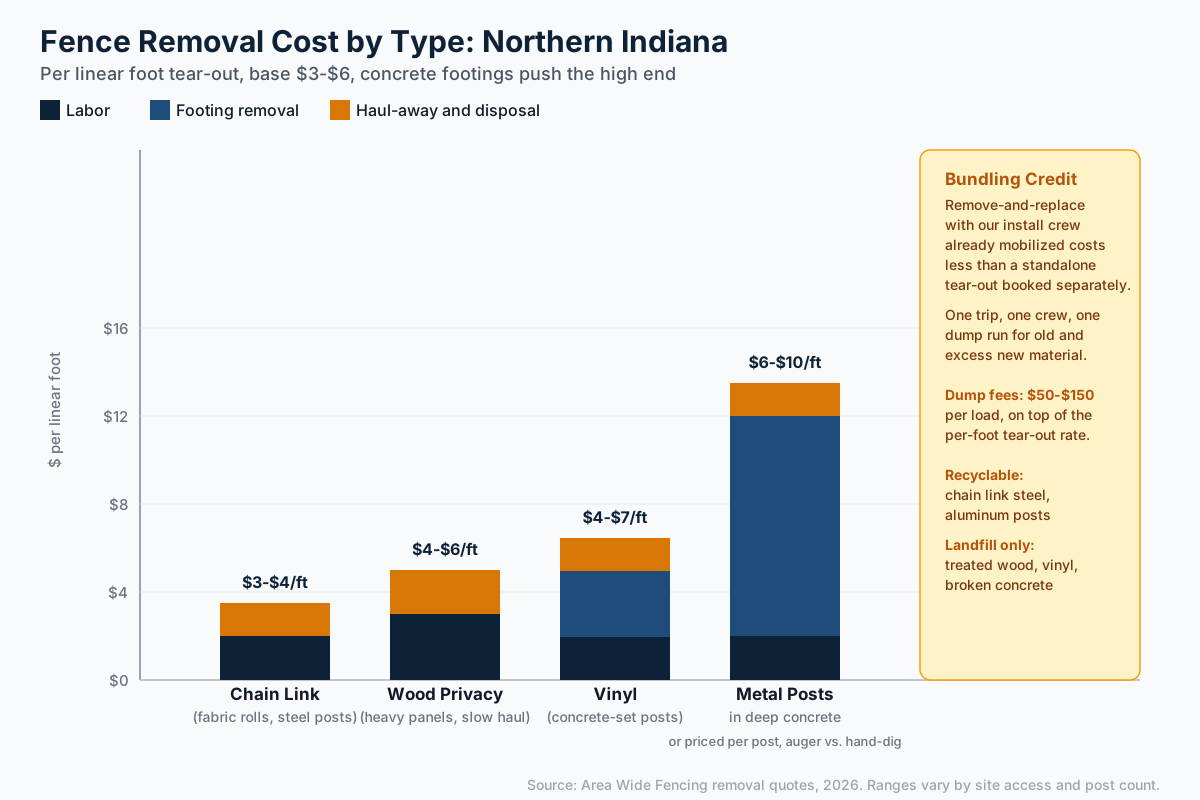
Fence removal in Northern Indiana runs $3 to $6 per linear foot for a basic tear-out, with no concrete footings involved. Fences set in concrete run higher, often $6 to $10 per foot or priced per post. Breaking out old footings is the real cost driver, not pulling the fence itself.
I’ve torn out more old fence than I can count over 15 years in this trade. Sagging chain link behind Mishawaka rentals. Rotted privacy panels in Warsaw backyards that had been standing since the Clinton administration. Removal looks simple from the curb. It rarely is once you’re standing over the first concrete footing with a shovel.
This guide covers what removal involves by fence type. It covers why concrete footings are the wildcard that blows up a budget, and what happens to the material once it’s out of the ground. It also covers when doing it yourself makes sense, and when it doesn’t. If you want it handled, our fence removal page covers tear-out, footing removal, and haul-away.
Three things set the price on any removal job. What the fence is made of. Whether the posts sit in concrete. And how far the material has to travel to a dump site. Everything else is a variation on those three.
A basic no-dig chain link or wood fence with posts driven into soil, no concrete, pulls out fast and lands at the low end of the range. A fence with every post set in concrete below the frost line takes real time per post, and that labor is what pushes the number up. Distance to the transfer station or landfill matters too. A property near a South Bend or Mishawaka disposal site pays less in truck time than a rural run outside Culver or Rochester.
| Fence Type | Removal Range (per linear foot) | Main Cost Driver |
|---|---|---|
| Chain link, no concrete | $3 to $4 | Labor to roll fabric, pull posts |
| Chain link, concrete-set posts | $5 to $7 | Footing removal per post |
| Wood privacy, no concrete | $4 to $6 | Panel weight, haul volume |
| Wood privacy, concrete-set posts | $6 to $9 | Footing removal plus heavy haul |
| Vinyl, concrete-set posts | $4 to $7 | Footing removal, lighter haul than wood |
| Metal posts (ornamental/farm), deep concrete | $6 to $10 or per post | Auger or hand-dig time per footing |
These ranges match what we quote for straightforward removal-only jobs. Bundled removal ahead of a new install often prices lower per foot, which we get into further down.
The fence sitting in your yard right now tells you almost everything about how the tear-out will go.
Chain link comes down fast. The fabric unclips from the posts and rolls up in sections, which is quick work for two people. Top rail slides out of the post caps in a few minutes per section. The posts themselves are the only question mark. Older chain link around Mishawaka and South Bend rentals was often set in concrete. Newer residential runs sometimes use tamped soil with a gravel base. A crew that knows the difference doesn’t waste time trying to hand-pull a post that’s anchored eighteen inches into concrete.
Wood privacy is the slow, heavy job. Pressure-treated panels that have been up for fifteen or twenty years are waterlogged, split, and heavier than they look. Pulling nails or screws from stringers, breaking panels down into haul-able pieces, and loading a trailer with wet lumber takes real time, even before you touch a single post. This is the fence type where labor eats the budget more than footing removal does, because there’s simply more material weight to move.
Vinyl removal is lighter than wood per linear foot once the panels are off the posts, since vinyl panels are hollow and far less dense than lumber. The posts are almost always set in concrete on a properly installed vinyl fence, which is the tradeoff. You get an easy haul and a harder dig.
Metal posts in concrete, whether it’s ornamental aluminum, steel farm fence, or old iron, are the fence type most likely to get priced per post instead of per foot. A single 5x5 post set 36 to 42 inches deep in a full concrete collar can take fifteen to thirty minutes to break out by hand. Multiply that across forty or fifty posts on a long rural run and the footing removal line becomes the biggest number on the invoice.
Concrete is why a removal quote that looked like $4 a foot on the phone sometimes lands at $7 or $8 once the crew is on site. It’s the single biggest variable in this whole guide.
There are two ways to deal with a concrete-set post: auger it out or hand-dig it. An auger mounted on a skid steer or mini excavator can pull a post and its footing in a few minutes. The machine just has to reach the fence line. We use that approach whenever access allows. A backyard with a gate wide enough for equipment, or a rural property with open access, is an auger job.
Hand-digging is the fallback when equipment can’t reach the fence line, which happens more than people expect. Plenty of yards force hand tools instead. Tight side yards. Decks and patios built against the fence after it went in. Mature landscaping, or a fence tucked behind a house with no equipment access. A crew with a digging bar and a shovel can still break a footing out. It just takes ten to twenty times longer than an auger pass. That time shows up directly in the price.
Here’s the part that surprises people: on some jobs, the concrete footings genuinely cost more to remove than the original fence cost to install. A cheap chain link fence from decades ago can still have oversized concrete collars, set by whoever was cheapest at the time. Those footings outlast and outcost the fence itself many times over.
Not all old fence material costs the same to get rid of, and knowing the difference matters if you’re pricing a DIY dump run yourself.
Steel chain link fabric and steel posts are recyclable and often carry scrap value at a metal recycler. It’s not enough to offset a whole removal job, but it’s real. A contractor who separates it out is saving you a landfill fee on that portion of the material.
Aluminum posts and rails from ornamental fencing are also recyclable and worth more per pound than steel at most scrap yards in our area.
Treated wood, vinyl panels, and broken concrete are landfill material. Pressure-treated lumber can’t go to a standard recycling stream, because of the chemical treatment. Most municipal recyclers won’t take vinyl. Broken concrete footings usually need a construction and demolition site rather than a regular transfer station. Some counties charge extra for treated wood specifically.
Dump fees run $50 to $150 per load in our service area, depending on volume and which facility takes the material. A single-trailer chain link removal might clear in one load. A long wood privacy run with concrete footings can mean two or three loads once you separate lumber, hardware, and broken concrete.
If you’re dealing with an older railroad tie fence rather than standard fencing, the disposal math changes again. Creosote-treated ties run 175 to 250 pounds each and carry their own disposal considerations we cover in our guide to railroad tie fencing.
A weekend DIY tear-out is realistic for the right fence. It’s a bad idea for the wrong one.
Good DIY candidates: a short run of chain link or wood fence, under 100 linear feet, with posts set in soil rather than concrete. Two people can knock out a no-dig fence removal without much trouble. You need a truck, basic hand tools, and either a trailer or a few dump runs in a pickup bed. Plus a Saturday. This is the same math as our low end of the per-foot range, just with your own labor instead of a crew’s.
Where DIY gets expensive fast: any run with concrete-set posts. Homeowners consistently underestimate how long it takes to break out a footing by hand. What looks like an afternoon project turns into a full weekend, sometimes two, once the first few posts fight back. Then add a rented auger that can’t get into a tight side yard. Add a truck and trailer rental if you don’t own one. Add multiple dump runs at $50 to $150 each. The math often lands close to what hiring it out would have cost, minus your weekend.
The one step that isn’t optional either way: call 811 before you pull a single post, even on a fence you’ve walked past for years. Utilities installed after your fence went in can sit closer to an old post than you’d guess. That includes gas lines, buried electric feed, and fiber. A hand tool through a gas line makes for a very different Saturday. The locate is free and takes two to five business days in Indiana, so plan your removal weekend around it rather than skipping it.
If you’re pulling out an old fence to put up a new one, don’t book removal and installation as two separate jobs. Bundling them with the same crew is close to always cheaper per foot than paying for a standalone tear-out first.
The logic is simple. A standalone removal job pays for its own mobilization. A crew drives out, loads a trailer, makes a dump run, and drives home, with nothing installed at the end of it. A remove-and-replace job has that same crew on site anyway to build the new fence. The old material comes out as step one. The job already covers the trip, the trailer, and the dump run. Most of our written estimates for a full vinyl fence or chain link fence job fold demo into one number instead of pricing it as an add-on. Our full fencing services page covers replacement crews across every material we install, in case your project isn’t limited to those two.
Our Warsaw project remove-and-replace job shows how this works in practice. One mobilization, one crew, old fence out and new fence up inside the same scheduled visit. No second site trip.
Our vinyl fence cost guide and our upcoming chain link cost breakdown both build demo of an existing fence into the installed price ranges for exactly this reason. If you’re getting quotes for a new fence and the old one has to come out first, ask whether removal is bundled into the number or priced separately. A quote that treats them as one job is usually the better deal.
Some fences sit exactly on a property line. Others have been treated as a shared boundary fence by both neighbors for years. Neither one is automatically yours to tear out without a conversation.
Indiana doesn’t have a statute that forces a 50-50 cost split on a shared fence the way some states do. What matters is who actually owns it, which usually traces back to who paid for it originally, and whether there’s ever been an informal or written agreement about upkeep. If you’re not sure who owns the fence between your yard and the neighbor’s, that’s worth sorting out before a crew shows up with a trailer.
Even when the fence is clearly on your side of the line, give the neighbor a quick heads-up before removal day. It beats them finding a bare yard they didn’t know was coming. This matters more on lake properties around Syracuse and Culver. Seasonal neighbors may not be around the week a removal is scheduled, and a fence coming down changes sightlines and privacy on both sides of the line.
Is the old fence coming down as step one of a new install? Our fencing overview and service pages walk through how we handle a job that starts with tear-out. Our contact page is the fastest way to get someone out to look at a property line question before removal starts.
Removal isn’t done when the last post comes out of the ground. What’s left behind is a line of holes, disturbed soil, and sometimes bare dirt where grass used to be right up against the old fence line.
On a bundled remove-and-replace job, backfill happens as part of setting the new posts, since the new footings usually land close to or exactly where the old ones were. On a standalone removal with no new fence planned, we backfill each post hole with compacted fill. Then we grade the strip level with the surrounding yard. That keeps it from leaving a trip hazard, or a low spot that collects water after a spring rain. Seed or straw for a bare strip is a homeowner add-on we can include on request, since most people want to handle their own grass seed timing.
Check one more thing before removal day, especially around South Bend and Mishawaka properties with tighter lots. Confirm whether your municipality treats fence removal as something needing a permit note, or a final inspection tied to the original fence permit. Most jurisdictions in our service area don’t require anything for removal alone, but it’s worth a quick call if you’re not planning to rebuild right away.
Before calling for a quote, walk your own fence line and note two things. Do the posts move at all when you push on them? Can you see or feel concrete around the base of any post at ground level? That single check tells a contractor most of what they need to give you a realistic range over the phone. Without it, you get a guess that changes once the crew arrives.
Our FAQ page covers more of the common questions we get about scheduling, permits, and what to expect on removal and install day. For a property-specific number, reach out through our contact page with your linear footage and whether you know if the posts are set in concrete. We’ll get you a written range fast, and a firm number once we’ve walked the line.
Fence removal runs $3 to $6 per linear foot for a basic tear-out with no concrete footings. Fences set in concrete run higher, often $6 to $10 per foot or priced per post, because breaking out footings takes far more labor than pulling fabric or panels.
Yes. Bundling removal with a new install saves money because the crew, trailer, and dump run are already on site for the new fence. A standalone tear-out booked on its own pays for a separate mobilization that a bundled job skips.
Yes, always, even for a fence you are just pulling out. Posts set decades ago can sit closer to a buried gas, electric, or fiber line than the original installer intended. The locate is free and takes two to five business days.
Steel chain link fabric and aluminum posts are recyclable and often worth scrap value. Treated wood, vinyl panels, and broken concrete footings are landfill material and go on the dump fee, which typically runs $50 to $150 per load.
A weekend DIY tear-out works for a short, no-dig chain link or wood run without concrete. Concrete-set posts change the math fast, since breaking footings by hand is slow, physical work most homeowners underestimate badly.
Indiana has no statute forcing a 50-50 split, so it comes down to who owns the fence and what any past agreement says. Talk to the neighbor before pulling anything, especially if the fence sits exactly on the line or straddles both yards.
Real 2026 deck cost ranges for Warsaw, Indiana. Pressure-treated vs composite, railing options, footing depth, and what actually moves your price.
Installed aluminum fence in Northern Indiana runs $28 to $72 per foot depending on grade. Here's what the wall thickness, rails, and styles actually buy.
Installed chain-link in Northern Indiana runs $15 to $30 per foot residential, more for commercial. See what actually moves the number in 2026.
Contact Area Wide Fencing & Deck Supplies for a free on-site estimate in Northern Indiana.